
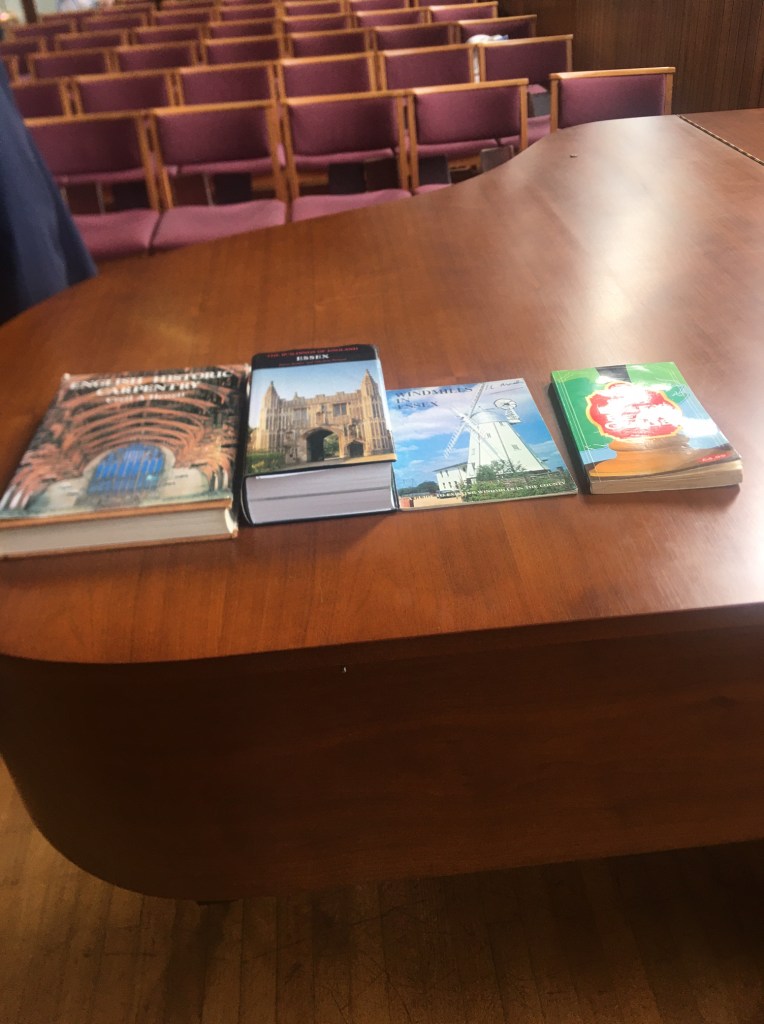
Texts for a Talk on Timber-framed Buildings in Essex:
1. Hewett,C.A.,English Historic Carpentry,(1980, Phillimore), ISBN 0 85033 354 7;
2, Bettley,J., & Pevsner, N.,The Buildings of England – Essex,(2007,Yale University Press), ISBN 978 0 300 11614 4;
3. Turpin,B.J., 7 J.M.Turpin,Windmills in Essex,(1977, Windmill Publications, Thaxted);
4. 9th Essex Beer Guide, CAMRA, Campaign for Real Ale
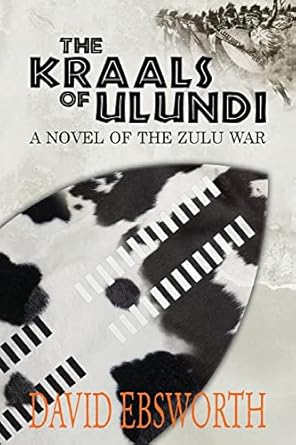
1879 – the British army has suffered one of the worst defeats in its history at the hands of the Zulu King Cetshwayo. Now the British seek revenge and a second invasion of Zululand is about to take place. Within the Zulu regiments charged with repelling the assault is Shaba kaNdabuko – driven by ambition to share the glory of battle, to bring honour and cattle to his family. Meanwhile, new British soldiers are shipped out to replace those lost in the military disasters, and among them is Lieutenant Jahleel Carey, likewise also hoping that adventure will bring him a change of fortune. But there are also always those on the sidelines of conflict, profiteers like renegade trader William McTeague. Three men, three women, will be brought together by one of the Zulu War’s strangest episodes, and their destinies will be changed forever.
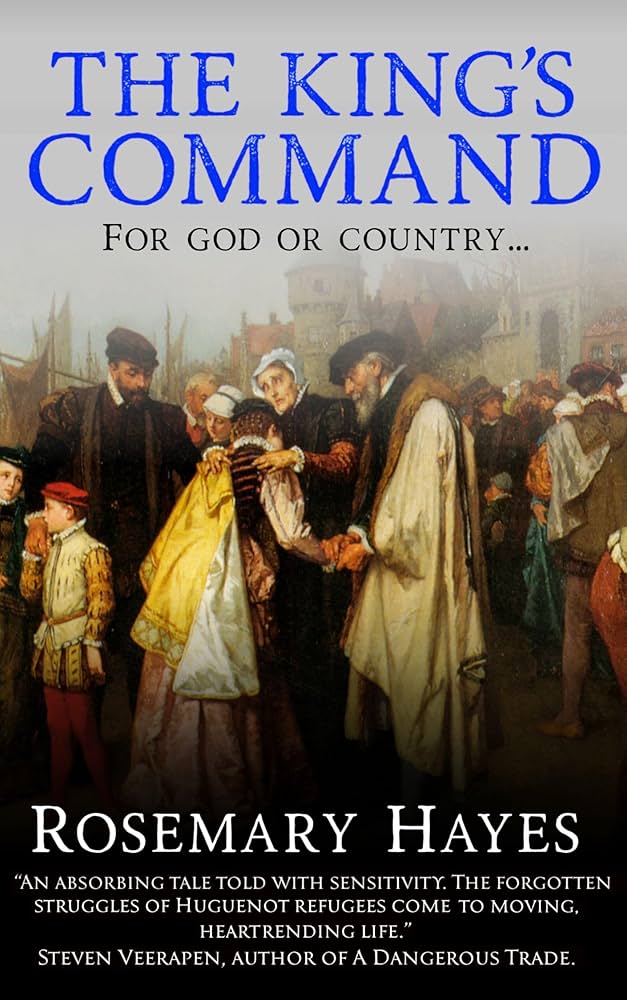
16 year old Lidie Brunier has everything; looks, wealth, health and a charming suitor, but there are dark clouds on the horizon. Lidie and her family are committed Huguenots and Louis XIV has sworn to stamp out this ‘false religion’ and make France a wholly Catholic country. Gradually Lidie’s comfortable life starts to disintegrate as Huguenots are stripped of all rights and the King sends his brutal soldiers into their homes to force them to become Catholics.
Others around her break under pressure but Lidie and her family refuse to convert.
With spies everywhere and the ever present threat of violence, they struggle on. Then a shocking betrayal forces Lidie’s hand and her only option is to try and flee the country. A decision that brings unimaginable hardship, terror and tragedy and changes her life for ever.
Mosaic: (The Pavement That Walked) by (Paperback)
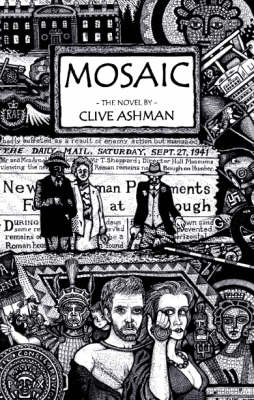
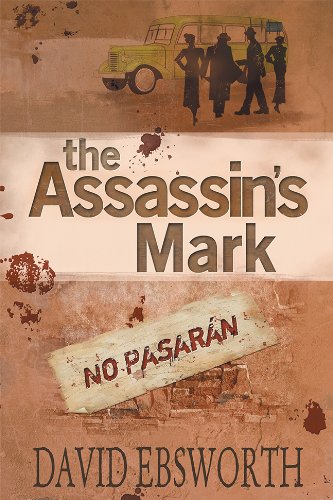
A Christie-esque thriller set on a battlefield tour bus towards the end of the Spanish Civil War. September 1938. Spain’s Civil War has been raging for two years, the outcome still in the balance. But rebel General Franco is so confident of winning that he has opened up battlefield tourism along the country’s north coast.
Jack Telford, a left-wing reporter, finds himself with an eccentric group of tourists on one of the War Route’s yellow Chrysler buses. Driven by his passion for peace, Telford attempts to uncover the hidden truths beneath the conflict.
But Jack must contend first with his own gullibility, the tragic death of a fellow passenger, capture by Republican guerrilleros, a final showdown at Spain’s most holy shrine and the possibility that he has been badly betrayed. Betrayed and in serious danger.
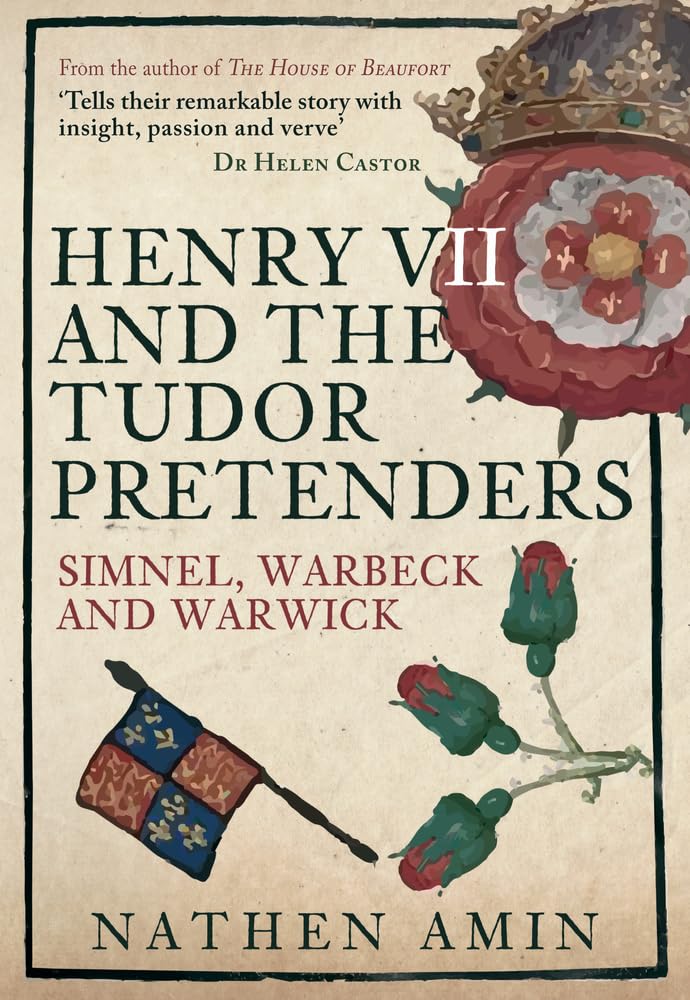
Henry VII and the Tudor Pretenders by Nathen Amin
On 22 August 1485, Henry Tudor emerged from the Battle of Bosworth victorious. His disparate army vanquished the forces of Richard III and, according to Shakespeare over a century later, brought ‘smooth-faced peace, with smiling aplenty and fair prosperous days’ back to England. Yet, all was not well early in the Tudor reign. Despite later attempts to portray Henry VII as single-handedly uniting a war-torn England after three decades of conflict, the kingdom was anything but settled. Nor could it be after a tumultuous two-year period that had witnessed the untimely death of one king, the mysterious disappearance of another, and the brutal slaughter of a third on the battlefield. For the first time in one compelling and comprehensive account, Nathen Amin looks at the myriad of shadowy conspiracies and murky plots which sought to depose the Tudor usurper early in his reign, with particular emphasis on the three pretenders whose causes were fervently advanced by Yorkist dissidents ‒ Lambert Simnel, Perkin Warbeck, and Edward, Earl of Warwick. Just how close did the Tudors come to overthrow long before the myth of their greatness had taken hold on our public consciousness?
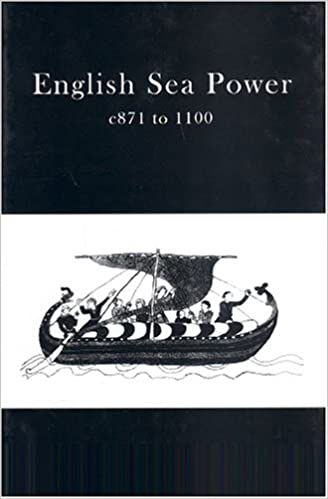
English Sea Power 871-1100 AD by John Pullen-Appleby Anglo-Saxon Books Thetford
Anglo-Saxon rulers understood the concept and strategic importance of sea power and, during the 9th and 10th centuries, it was a powerful offesive weapon against England’s enemies. Citing evidence from the Anglo-Saxon Chronicle and other sources, this study examines English sea power under Edgar, Aethelred II, Cnut, Edward the Confessor and Harold. John Pullen-Appleby looks at the range of seafaring activities taking place, at the resources of the Crown and how expertise and crew were financed and assembled, at the institutons and practices of sea power, tactics and the results of offensive campaigns. Finally, he examines the ships themselves, naval technology, the nature of England’s ports and coastline and how these figured in the activities of the fleet, finding that provision for using a navy existed in most coastal areas.
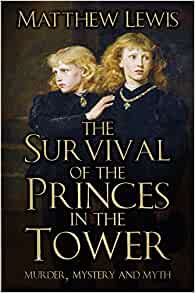
Matt Lewis
The murder of the Princes in the Tower is the most famous cold case in British history. Traditionally considered victims of their ruthless uncle, there are other suspects too often and too easily discounted. There may be no definitive answer, but by delving into the context of their disappearance and the characters of the suspects Matthew Lewis examines the motives and opportunities, afresh as well as asking a crucial but often overlooked question: what if there was no murder? What if Edward V and his brother Richard, Duke of York, survived their uncle’s reign and even that of their brother-in-law Henry VII? There are glimpses of their possible survival and compelling evidence to give weight to those glimpses, which is considered alongside the possibility of their deaths to provide a rounded and complete assessment of the most fascinating mystery in history.
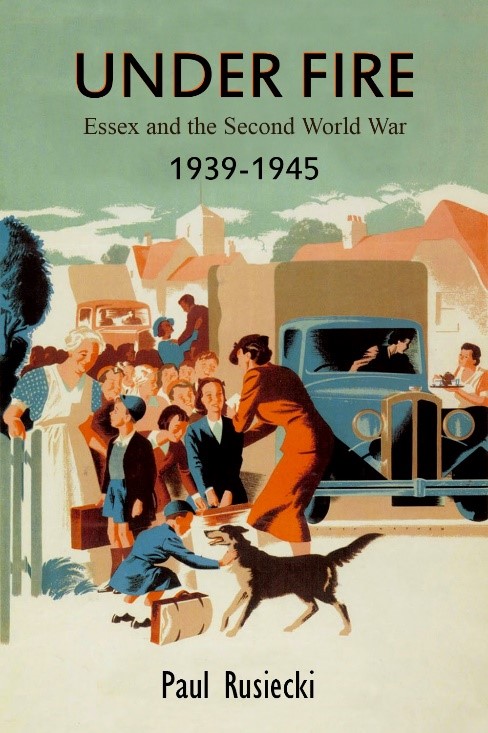
Paul Rusiecki
The book brings into focus the social, economic, political and religious strains caused by the war. Education was forced to adapt in the face of massive disruption and industry too; the contribution to victory made by firms that switched to war work is analysed.
A picture emerges through the records kept by individuals of how Essex people viewed wartime events both at home and much further afield – the successes and failures of their own government and the actions of both allies and enemies.
Above all, this is the story of how the people of Essex survived the most extraordinary challenges they had ever faced, ultimately emerging with a sense of having earned the right to eradicate the gross inequalities that had marred society for so long.
Paul Rusiecki is a member of the Essex Branch of the Historical Association committee.
Ken Worpole
On Lady Day, 25 March 1943, a group of radical pacifists took possession of a 300-acre farm in Frating, Essex, creating a self-sufficient community of up to 50 adults and children and a sanctuary for refugees and prisoners-of-war, which lasted for twelve years. In No Matter How Many Skies Have Fallen, writer & social historian Ken Worpole recreates the life of Frating Hall Farm through the recorded memories of the children who grew up there, together with archive documents, letters, photographs, recalling the passionate ideals of the back-to-the-land movement in wartime and post-war England. The book is beautifully designed and contains many evocative photographs, maps and testimonies, combined to recreate the ‘lost history’ of one of the most remarkable idealistic rural communities of its kind in the 20th century.
Published by Little Toller Books, May, 2021. £14

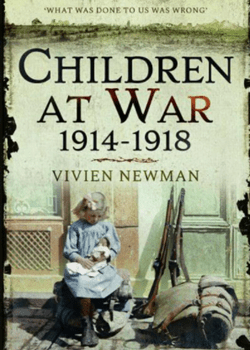
Dr.Vivien Newman’s
Her latest books are all available through Amazon and Pen and Sword: http://www.firstworldwarwomen.co.uk/
‘We Also Served – The forgotten Women of the First World War’
‘Tumult and Tears: The Story of the Great War Through the Eyes and Lives of its Women Poets
‘Regina Diana: Seductress, Singer, Spy
‘Suffragism and the Great War’
‘Children and War 1914 – 1918′
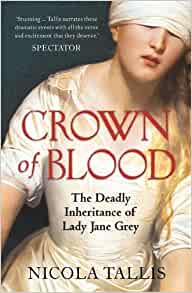
Dr.Nicola Tallis
The Crown of Blood: the Deadly Inheritance of Lady Jane Grey
Elizabeth’s Rival: the Tumultuous Tale of Lettys Knollys, Countess of Leicester
The Uncrowned Queen: the Life of Margaret Beaufort
 The Essex Branch of the Historical Association